
Shifting From to For: Adding Value
A three-part series to serve donors better

This is the first of a three-part series (Feb 12, Feb 26, Mar 11) on how we can stop wanting something from donors and begin to want something for them. We’ll go through three frames that help us partner with donors to achieve their most ambitious dreams for our community and find purpose and joy while doing it.
No matter the size of the organization, the location of the organization, or the tenure of the nonprofit pro, every one of us has a deep desire to spend more time with our donors.
One of the best ways to do that is to truly desire to be their partner in making great things happen. And in every great partnership or relationship, there’s value for both parties.
Let’s get a few things out of the way… I would not include the following in value-add activities, in-and-of-themselves:
· Having a big event that costs money for tables and seeks donations.
· Inviting donors to coffee, a meal, or for a meeting.
· Initiating contact or meetings with the stated goal of thanking.
These are activities that organizations spend incredible amounts of time to accomplish. And it has been my observation that not a single one of these actually adds value to the lives of our busy, generous donors.
Should we find ways to gather donors? Absolutely! Should donors have opportunities to visit campus and meet with leadership? A given. And should we find ways to thank donors in meaningful ways? Early and often! I’m not disputing the need to accomplish these things—I’m suggesting there are different ways to engage in these activities with your donors that add value to their lives and not simply accomplish what we need to do in our roles.
What are some real examples of adding value?
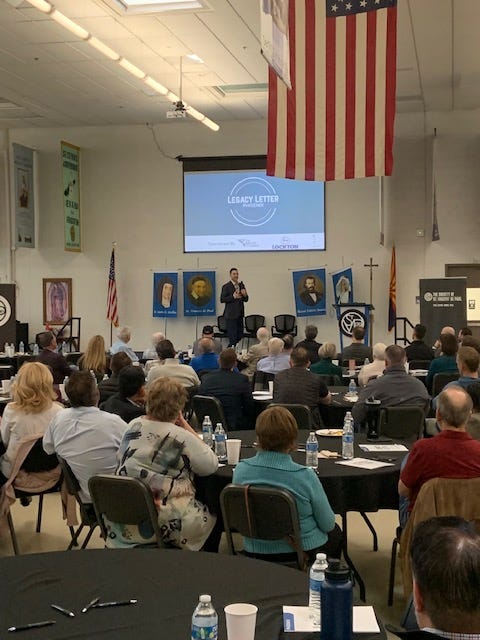
In the last week, our organization hosted two events for donors. Each had a limited invitation list, each had over 100 attendees.
The first event was called The Legacy Letter Challenge with my friend, Blake Brewer. At age 19, Blake watched his father get caught up in incredibly rough waters while scuba diving on family vacation. Blake couldn’t save him. His dad died in front of him. Later that day, Blake’s mother gave him a letter—it was from Blake’s father, who was going to hand it to his son during that trip. It told Blake how proud he was, how much he believed in Blake, and shared some advice for the future. The letter helped Blake grieve and move forward. Now, Blake is on a mission to help 1,000,000 people write their own “legacy letters” through interactive workshops.
Why does that add value?
For how many donors are we talking about “legacy,” but we only mean giving? Are we really engaged with their legacy if we’re not providing opportunities that engage their memories, hopes, values, and family members?
We brought people together for this event because it was important and impactful in their lives. We did it at our campus. For some, it was the first time they had visited. For others, it was the first time they interacted with our CEO. But for all, they left with something meaningful, useful, and truly about their legacy.
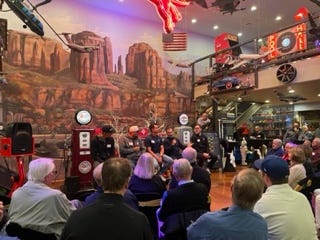
The second event was a lot less serious. We host it every year and call it “Caddie Talk.” My friend Ted Scott is a PGA Tour caddie. He brings some of his fellow caddies to an evening of food, drinks, and conversation—and we hear hilarious stories about golf, the future of the PGA Tour, and how caddies and Tour pros impact communities across the country.
Why does this add value?
For how many donors do we know their interests outside of our organization but fail to engage them in those interests?
We brought people together at the beginning of WM Open week in Scottsdale, to talk about their interest of golf, to introduce them to some very entertaining and knowledgeable people, and to give them access to something they wouldn’t get on their own. For some, it provided an opportunity to engage friends to be at the event… and to be introduced to our organization. For others, it gave a chance to spend time with our leadership team over a casual evening. But for all, they got an evening that engaged their interests and provided access.
What are the key things we need to consider?
When we attempt to add value to the lives of busy, distracted people, there are a few things to think about in our planning process.
1) How do we integrate our organization—while making the engagement about our donors (and not about our orgs)?
Think about your script. How do you engage leaders of your org to welcome, thank, introduce, and bid farewell?
Think about your location. Can you host donors at a place meaningful to your org or with an important connection (e.g. perhaps the location owner is a supporter)?
2) What is our plan—from before the engagement through follow-up?
Are you focused on the right people who would come to your engagement over other things? I like to think about whether our engagement would be in the donor’s top 25% of possible ways to fill that time. If not, I’m either focused on the wrong people, the wrong event, OR I simply don’t invite.
Are you engaging specific donors during the event? If people are spending their important time with us, I’m making sure they are welcomed and personally engaged. Typically I like to have each member of our team engage 3 to 5 specific donors. Our goal is radical hospitality.
Do you set-up organization-specific follow-up during the engagement? For example, during the Legacy Letter event, I specifically stated that our team would follow-up to learn about their experience and their letter, what’s important to them, and what our org could possibly do to help and support their vision. Now we’re actually following up specific to those ideas.
3) Are we doing the same things—and if so, what makes people keep engaging?
I see this a lot with coffee and lunch meetings. How many of those are we going to use to simply thank donors? What’s the specific purpose of your time together? Are you asking for advice, feedback, or letting them know about something important coming to their favorite program? Be specific about your intentions, why them, and how long it will take.
Have you specifically “released” good and caring people from the obligation of attending your every invite? The best way to do that is to say something like, “Joe, one of the things I treasure most is your encouragement and support. So I’m going to keep inviting you—and I don’t want you to feel obligated. What I really need is some time to spend with you to get your advice and counsel. Is it ok for me to visit with you more informally for that?”
Shifting from to for
The goal in my work with donors is to have them feel that I don’t want something from them. I want something for them.
I want them to find engagement in something that brings them purpose and joy.
I want them to have a place they’re proud to bring their family and friends and say—I support this. I’m part of this. I belong to this.
I want for them to know they can call me because we have a mutually caring and beneficial relationship.
The donors I get to engage with are some of the coolest people in my life. And we’ve gotten to that point because I try to add value to their lives—both through my organization and also outside of it.